顯示具有 中韓文化交流 標籤的文章。 顯示所有文章

2023年12月30日 星期六

帶回朝鮮半島的蘇東坡主題圖 The Su Dongpo Themed Paintings Brought to the Korean Penin...


衣若芬《帶回朝鮮半島的蘇東坡主題圖》

2023年12月16日

@故宮博物院南部院區


12月18日就被"搬運"到bilibili,而且錯字慘不忍睹!

爲了讓讀者有正確的認識,我加上字幕,敬請參考指教!


#有此衣說聽聽看

#蘇軾圈

#文圖學

2017年4月5日 星期三

韓中日所藏《皇華集》與東亞漢文學跨國交流

衣若芬:〈韓中日所藏《皇華集》與東亞漢文學跨國交流〉,《域外漢籍研究集刊》第14輯,2016年11月,頁283-296。
韓國首爾大學奎章閣韓國學研究院藏《皇華集》書影


摘要
《皇華集》是朝鮮宮廷收錄刊行自1450年至1633年,39位明朝使臣和300多位朝鮮文臣的唱酬作品集。《皇華集》的出版形式有單次出使即蒐集整理的單行本,以及統合全部25次出使的總集本。總集本的《皇華集》版本複雜而多樣,雖然近年已經有全備的《足本皇華集》問世,經由考察不同版本的總集式《皇華集》與其跨國傳播情形,仍可幫助吾人深入了解東亞漢文學之交流情形。
本文以韓國中央圖書館、奎章閣,中國國家圖書館,日本國立公文書館庋藏的總集式《皇華集》為例,檢視其內容,探析其來源。研究發現:《皇華集》依明使要求編輯出版,主要在韓國刊行,由後來出使的朝鮮使節帶去中國贈送明使和內府。也有朝鮮個人收藏的《皇華集》流入中國。日本所見《皇華集》乃經長崎唐船舶載售,或由朝鮮通信使贈予宗藩,並有江戶時代的手寫鈔本存世。
這些不同版本的《皇華集》顯示了多次的刊行實況,以及讀者的需求。《皇華集》所呈現的詩賦外交形態,成為東亞各國如朝鮮通信使、安南使、琉球使彼此互動的書寫典範。漢詩做為交流的主要文體,促成了中國編選《朝鮮詩選》、朝鮮編選《日東詩選》的特殊現象。

關鍵詞:皇華集。東亞。漢文學。詩賦外交。文化交流

Interchange of East-Asian Culture and Literature in Classical Chinese: A study of Huang Hua Ji

Abstract
“Huang Hua Ji” is a collection of the literary work between 39 Ming Dynasty envoys and 300 over Joseon civil officials that the Joseon court collected from 1450 to 1633. The publishing form of “Huang Hua Ji” can be categorized into two types, namely singles and set. The singles are collected based on single trips, while the set are collected based on 25 times of diplomatic travels. There are various edition to the set, but the uncut version of “Huang Hua Ji” has been published in recent years, and it allows us to have a deeper understanding of the exchange of the literature in classical Chinese in East Asia.
This paper sorts the content and origin of the set collection of “Huang Hua Ji” from the National Library of Korea, Kyujanggak, National Library of China, National Archives of Japan. Research shows that “Huang Hua Ji” was edited and published based on the requirements of the Ming envoys, and are mainly printed and published in Korea, and are being brought to China by the Korean envoys as gifts for the Ming envoys and imperial court. Some personal collection of “Huang Hua Ji” also imported into China. The feudatory of Japan bought “Huang Hua Ji” from Chinese ships in Nagasakai.

These various versions of “Huang Hua Ji” depicted the situation of numerous publications and readers’ needs. Poetry and prose in diplomacy displayed by “Huang Hua Ji” became the written model for interaction among Joseon, Annam(Vitnam) and Ryukyu(Okinawa) diplomatic missions. Literature in classical Chinese as a main style for interaction resulted in special phenomenon such as Chinese literati compile “Selected Korean Poems”, and Joseon literati to compile “Selected Japanese Poems”.

2015年4月29日 星期三

瀟湘八景:東亞共同母題的文化意象


《東亞觀念史集刊》第6期(2014年6月),頁 35-55 

狹義的「瀟湘」,指流經中國湖南的瀟水和湘江。廣義的「瀟湘」,可泛稱整個中國湖南。從莊子和屈原開始,書寫「瀟湘」的作品凝聚了豐富的瀟湘文化底蘊。大約從唐代起,有瀟湘山水畫創作。北宋文人畫家宋迪以瀟湘的八個景致為題材,繪製「瀟湘八景圖」,成為東亞「瀟湘八景」詩畫的濫觴。 12世紀出使宋朝的高麗畫家在朝廷畫院學習了「瀟湘八景」詩畫。13世紀東渡日本的僧人傳入「瀟湘八景」詩畫。古代越南使臣出使中國的陸路途徑則會經過湖南境內。「瀟湘八景」是東亞諸國共同的詩畫抒情母題,通過「瀟湘八景」的文化意象,可以探析東亞的審美意趣。 本文概述「瀟湘八景」的源起,以及在中國、韓國、日本、越南的歷史發展情形,歸納出中國的「離憂愁緒」、韓國的「嚮往樂土」、日本的「幽玄禪思」、越南的「異域懷歸」,各具特色的藝術表現。 


Eight Views of Xiao-Xiang: The Culture Image of East Asia”, Journal of the History of Ideas in East Asia, 6 (June 2014), pp. 35-55.

“Xiao-Xiang” refers to the Xiao River and Xiang River that flows
through Hunan area. Since Zhuangzi and Qu Yuan, literary creations on Xiao-Xiang have developed into a cultural image, and landscape paintings on Xiao-Xiang have also developed from Tang dynasty. Northern Song dynasty painter Song Di illustrated “Eight Views of Xiao-Xiang”, which initiated the poetry and painting creations on Xiao-Xiang in East Asia.
12th century, Goryeo ambassador painters have learned poetry and
painting creations on Xiao-Xiang in the Song court. 13th century, monks travelled to Japan also brought in poetry and painting works on Xiao-Xiang. The over land route of Ancient Vietnamese envoys also went through Hunan province. “Eight views of Xiao-Xiang” is a shared poetry and lyrical motif among East Asian countries. Hence, studying the cultural image of Xiao-Xiang will allow analysis of aesthetic consciousness of East Asian countries.
This paper summarizes the origins of “Eight View of Xiao-Xiang”, as well as their historical development in China, Korea, Japan and Vietnam, each with their distinguishing characteristics.

蘭亭流芳在朝鮮


《文學與圖像》第3卷(2014年12月),頁287-304

王羲之蘭亭修禊盛事寫下的〈蘭亭序〉,是中國書法史極具影響力的名筆,即使真蹟早不在人間,各種摹本和拓本仍然傳衍著〈蘭亭序〉的韻致和內涵。圍繞〈蘭亭序〉書法的論辨、〈蘭亭序〉的書法典範意義、以「蘭亭修禊」為圖繪題材、歌詠題讚「蘭亭修禊圖」等等,構成了「蘭亭學」的研究。
不僅在中國,受中國文化薰陶,使用漢字為正式書寫載體的古代東亞,也浸染追慕蘭亭雅趣之風,學者已經視之為東亞共同文化意象之一。本文以韓國朝鮮時代(1392-1897)為例,管窺蘭亭流芳之一隅。
本文研究韓國朝鮮時代君主和文人對於「蘭亭」之接受與吸收,包括:仿照「蘭亭修禊」雅會、學習王羲之書藝、繪畫「蘭亭修禊圖」、題詠「蘭亭」主題書畫。

“Calligraphy and Paintings on Lan Ting Xu in Ancient Korea”. Literature and Image, 3 (Dec. 2014), pp.287-304.

2015年4月3日 星期五

“東坡體":明代中韓詩賦外交之戲筆與競技

華察〈立夏前一日碧蹄館作東坡體一律〉


《域外漢籍研究集刊》(北京:中華書局)第10輯(2014年10月),頁433-459

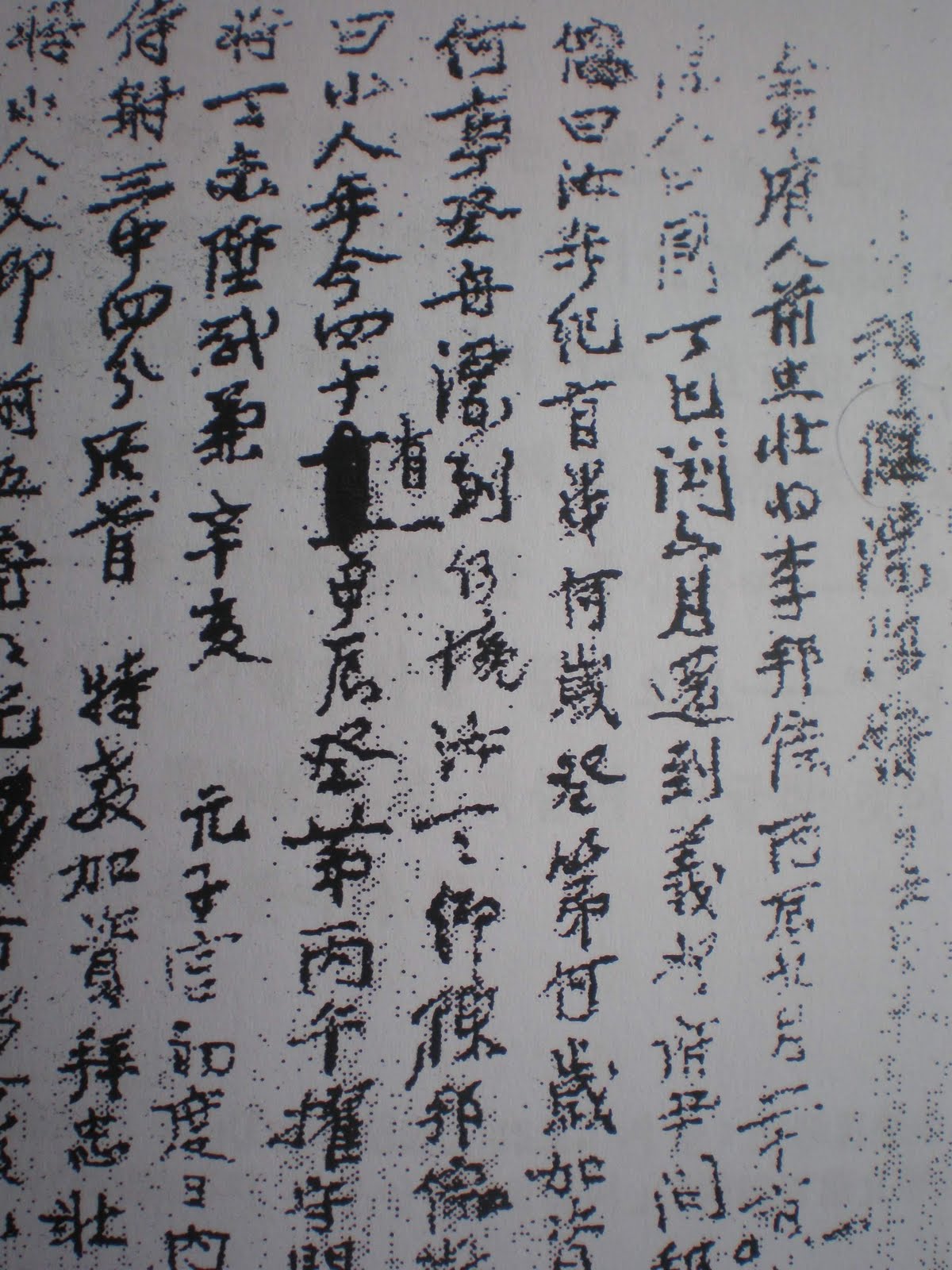
收錄明代文臣出使朝鮮,與朝鮮文人詩文唱和的《皇華集》,除了紀行述聞、採集風俗、記錄交遊的篇章,還有一些彷彿遊戲文字的作品,「東坡體」詩即為一例。
「東坡體」又名「神智體」,是將文字拆解、重組、省缺、補筆,以少數「字圖」寓較多「字意」的作詩形式。
《皇華集》裡的中韓「東坡體」詩,共有35首,集中於龔用卿、華察和朱之蕃於1537、1539和1606年的三次出使朝鮮時創作。
本文探討「東坡體」名稱的由來,明使寫「東坡體」詩的背景和意識形態,中韓「東坡體」詩的表現樣相和內容,以及中韓文人對於「東坡體」詩的評價。希望以「東坡體」詩為例,考察明朝及朝鮮「詩賦外交」的實際情況。


“Dongpo Ti”: Games and Competition of Diplomatic Interaction between China Ming and Chosun via Poetry and Prose     Journal of Oversea Chinese Classics,10, pp.433-459, Oct. 2014


The “Huang Hua Ji” is a compilation of works composed by Ming envoys and Chosun court officials. Besides travel literature, descriptions of customs and culture, and travelogues, there are also some pieces which are interplays of word characters. An example of this type of work is the “Dongpo Ti” Poems.
“Dongpo Ti”, also known as “Shenzhi Ti”, is a unique poetry style which involves breaking up, reorganizing, deleting and adding on strokes in characters, as well as using comparatively more “character meanings” in relation to “character illustrations”. 
There are altogether 35 pieces of composition in the “Dongpo Ti” Poems of “Huang Hua Ji”. They were composed during the times when Gong Yongqing, Hua Cha and Zhu Zhifan were sent as envoys to Chosun in 1537, 1539 and 1606.
This article investigates the origin of the use of the title “Dongpo Ti” for this collection; the background and cultural ideologies when the Ming envoys composed the pieces; appearances, forms, textures, and contents; as well as the critiques on “Dongpo Ti” Poems by Chinese and Chosun literati. The author hopes to use “Dongpo Ti” Poems as a case study to study the foreign diplomatic interaction between China Ming and Chosun via poetry and prose.     

2015年2月17日 星期二

遊觀與求道:朱熹〈武夷櫂歌〉與朝鮮士人的理解與續作


西元1184年,朱熹(1130-1200)仿照民間船歌的形式,作〈淳熙甲辰中春精舍閒居戲作武夷櫂歌十首呈諸同遊相與一笑〉詩(本文簡稱〈武夷櫂歌〉),詩中記敘與友人舟遊武夷山九曲溪的風光。
朝鮮理學家李滉(1501-1570)於1547年作朱熹〈武夷櫂歌〉次韻詩。大約十二年後,李滉修訂了〈武夷櫂歌〉組詩的最後一首。
本文解讀朱熹〈武夷櫂歌〉和李滉的次韻詩,分析李滉更改詩作的原因。從朝鮮士人的討論以及續作的〈武夷櫂歌〉次韻詩,作者發現李滉的觀點幾乎不被認同。
研究指出:朱熹詩表達的是「山水遊觀」的興味;朝鮮士人則認為其中蘊含「山水求道」的隱喻。李滉和其他朝鮮士人的歧見,在於武夷第九曲是否即求道的終極。

關鍵詞:朱熹。武夷櫂歌。理學。朝鮮時代。山水

 (香港)《中國文化研究所學報》60期(2015年1月),頁53-71

In year 1187, Zhu Xi (1130-1200) wrote 10 poems called “Wuyi Boating Song”, which imitated the local boating songs, described the scenery of mountain Wuyi and Jiuqu(nine bends) stream. 
Li Huang (Tuixi, 1501-1570),a Korean confucianist scholar in Joseon dynasty compiled tread rhyme poetry of “Wuyi Boating Song” in 1547, and he made a final edition 12 years after.
This paper aims to interpret the meaning of Zhu Xi’s “Wuyi Boating Song” and Li Huang’s version. From the discussion of Joseon dynasty scholars, Li Huang’s points of view shown in his version of “Wuyi Boating Song” are not well accepted.
My research indicated that Zu Xi was trying to express the idea of “山水遊觀”(wandering landscape), which inculcate the metaphor of “山水求道”(pursuing truth). The main reason why Li Huang was having different interpretation with other Korea scholars is based on the argument of “The Ninth bend of Wuyi” poem, whether it is the ultimate of “truth”.

Keywords: Zhu Xi, Wuyi Boating Song, Confucianism, Joseon dynasty, landscape 


from lofen

2014年1月3日 星期五

동파체(東坡體) : 명대 중한(中韓) 시부외교(詩賦外交)의 희작(戱作)과 경기(競技)


龔用卿〈效東坡體〉詩

【국문초록】

명대(明代) 문신(文臣)들이 조선에 출사(出使)하여 조선 문인들과 창화한 시 문을 수록한《황화집(皇華集)》에는 견문을 기록하고 풍속을 채집하고 교유를 기 록한 작품들 이외에 일부 문자유희(文字遊戱)에 방불하는 작품들이 있는데, ‘동파 체(東坡體)’ 시가 곧 그러한 예이다. 동파체는 또 ‘신지체(神智體)’라고도 하는데, 문자의 분해와 재조합, 필획의 생 략과 추가 등의 방법을 사용해 적은 수의 ‘자도(字圖)’로 더 많은 ‘자의(字意)’를 담는 작시 형식이다. 《황화집》 속의 중국과 한국의 동파체 시는 모두 35수인데, 공용경(龔用卿), 화찰(華察), 주지번(朱之蕃)이 각각 1537년, 1539년, 1606년 세 차례 조선에 출 사했을 때 집중적으로 창작되었다. 본 논문은 ‘동파체’라는 명칭의 유래와 명나라 사신이 쓴 동파체 시의 창작배경과 의식, 중한(中韓) 동파체 시의 표현양상과 내용 및 중한 문인들의 동파체 시에 대 한 평가를 살펴본다. 동파체 시를 예로 명나라와 조선의 ‘시부외교’의 실제적 상황 을 고찰할 수 있기를 기대한다.

핵심어 : 동파체(東坡體), 황화집(皇華集), 시부외교(詩賦外交), 명대(明代), 조선(朝鮮)

 「東坡體」:明代中韓詩賦外交之戲筆與競技。(韓國)《淵民學志》20輯(2013年8月),頁143-214。


收錄明代文臣出使朝鮮,與朝鮮文人詩文唱和的《皇華集》,除了紀行述聞、採集風俗、記錄交遊的篇章,還有一些彷彿遊戲文字的作品,「東坡體」詩即為一例。
「東坡體」又名「神智體」,是將文字拆解、重組、省缺、補筆,以少數「字圖」寓較多「字意」的作詩形式。
《皇華集》裡的中韓「東坡體」詩,共有35首,集中於龔用卿、華察和朱之蕃於1537、1539和1606年的三次出使朝鮮時創作。

本文探討「東坡體」名稱的由來,明使寫「東坡體」詩的背景和意識形態,中韓「東坡體」詩的表現樣相和內容,以及中韓文人對於「東坡體」詩的評價。希望以「東坡體」詩為例,考察明朝及朝鮮「詩賦外交」的實際情況。

 “Dongpo Ti”: Games and Competition of Diplomatic Interaction between China Ming and Chosun via Poetry and Prose    


The “Huang Hua Ji” is a compilation of works composed by Ming envoys and Chosun court officials. Besides travel literature, descriptions of customs and culture, and travelogues, there are also some pieces which are interplays of word characters. An example of this type of work is the “Dongpo Ti” Poems.
“Dongpo Ti”, also known as “Shenzhi Ti”, is a unique poetry style which involves breaking up, reorganizing, deleting and adding on strokes in characters, as well as using comparatively more “character meanings” in relation to “character illustrations”.
There are altogether 35 pieces of composition in the “Dongpo Ti” Poems of “Huang Hua Ji”. They were composed during the times when Gong Yongqing, Hua Cha and Zhu Zhifan were sent as envoys to Chosun in 1537, 1539 and 1606.
This article investigates the origin of the use of the title “Dongpo Ti” for this collection; the background and cultural ideologies when the Ming envoys composed the pieces; appearances, forms, textures, and contents; as well as the critiques on “Dongpo Ti” Poems by Chinese and Chosun literati. The author hopes to use “Dongpo Ti” Poems as a case study to study the foreign diplomatic interaction between China Ming and Chosun via poetry and prose.     


2013年9月8日 星期日

The secular taste in Korea "Eight views of xiao-xiang" folk paintings

The Korean “Eight Views of Xiao-Xiang” folk paintings had on one hand inherited the art of the original Chinese paintings, while on the other hand created a style of their own, after it was first introduced into the country in the 12th century. The Korean styled folk paintings are free and unrestrained; whether in form, brushwork, lines, colour and subtitles, they are very much dissimilar to the “Eight Views of Xiao-Xiang” paintings produced by Chinese literati.

2013年2月12日 星期二

從文化意象理解東亞文明:以「武夷九曲」詩畫的「理學化」與「朝鮮化」為例


韓國延世大學校 國語國文學科 BK21事業團 學術講座

主講人:衣若芬
時間:2013年2月15日上午10點30分
地點:延世大學新村校區  為堂館301室


摘要

對於東亞文明的理解,尤其是古代以漢字為主要共同溝通工具的文化圈,除了個別國家和民族的歷史脈絡,在涉及文化構成、文化交流,以及文化特質的探討時,過去的研究方法和重點,大致可以歸納為以下幾種:


一, 起源與影響。

二, 受容與變容。

三, 引導、傳播、接收、普及的媒介─人、物與地域等。

本講座希望提出另一種研究思路和角度,從「文化意象」的課題進行考察,以「武夷九曲」為例,討論「武夷九曲」詩畫在韓國朝鮮時代的發展情形。本講座的內容可分為三部分:

一, 介紹個人研究背景。

二, 提出「文化意象」研究視角。

三, 以「文化意象」研究視角研究朝鮮時代「武夷九曲」詩畫。


문화意象으로부터 이해한 東亞文明:
「武夷九曲」詩畫의 “理學化” 및 “朝鮮化”를 예로 들어


개요:
동아시아 문명, 특히는 고대에 한자를 주요한 소통도구로 삼았던 문화권에서는 일부 국가와 민족의 역사맥락을 제외하고 문화구성, 문화교류, 문화特質을 探究할 적의 연구방법과 중점은 대체적으로 아래와 같은 몇 가지로 귀납할 수 있다.
1. 起源과 영향
2. 수용과 變容
3. 引導, 전파, 접수, 普及의 媒介─人、物와 地域 등
본 강좌는 새로운 研究思路를 발견하고 「文化意象」의 각도로 「武夷九曲」를 예로 들어 고찰하며 「武夷九曲」詩畫가 한국 조선시대에서의 발전정황을 고찰하는데 목적을 두고 있다.
본 강연의 내용은 아래와 같은 세 가지 부분으로 구성되었다.
1. 개인 연구배경에 대한 소개
2. 「文化意象」에 대한 연구視角의 提出
3. 「文化意象」의 연구視角으로 探討한 조선시대 「武夷九曲」詩畫


2011年7月1日 星期五

禮樂與女色:明代文臣出使朝鮮的「卻妓詩」及其影響

南京大學域外漢籍研究所主編:《域外漢籍研究集刊》第6輯(北京:中華書局,2010年5月) ,頁91-113。

“The ‘Reject Female Musician’ Poems by Embassies of Ming Dynasty and the Inference in Korea”, Journal of Oversea Chinese Classics No.6 (May 2010), pp.91-113.


據學者統計,有明一朝前後遣使朝鮮170多次,使節超過200人。出使朝鮮的使節包括宦官、文臣以及武臣。隨著明朝與朝鮮的政治關係漸趨穩定,使節從早期以宦官為多,至景帝以降多為文臣。

銜命出使朝鮮的明代文臣,除了執行頒布登基詔、冊立皇太子詔、敕諭、賜諡等政治任務,也展現個人文學長才,延續古來詩賦外交的傳統。出使途中的風光觀覽、民俗見聞、行旅情景,一一流露筆下。為了附和明朝使臣的雅興,朝鮮也派出文臣為遠接使或館伴,與之應答酬唱。

歡迎明朝使臣的宴會中,演奏樂器,歌舞娛賓的女子稱為「女樂」,「女樂」也從事性服務的工作。明朝使臣認為「女樂」不合儒家禮法,應該像明朝一樣採用「男樂」,於是寫作「卻妓詩」。受到明使「卻妓」的影響,朝鮮朝廷君臣展開了近三百年「女樂存廢」的論爭,直到1705年,當時明朝早已滅亡,女樂才停止施用於朝廷對外的盛大宴會。

對朝鮮而言,明裡的演藝,暗裡的款待,都是出於「事大」的心意。暗裡的款待姑且不論,明裡的演藝被譏為「蠻靺習俗」,等於受到極大的輕蔑,豈可等閒視之?朝鮮禮儀制度一向依循中華,何以在女樂方面不肯輕易變革?從明使「卻妓」到朝鮮爭論「女樂存廢」,其間的問題何在?這些都是筆者想要探討的重點。

筆者從中韓文臣的詩作和朝鮮的史料梳理「卻妓」的起因,繼而考察朝鮮君臣各執己見的說辭,看「國家禮樂制度」與「女色之防」的對立,以及徘徊於「天朝」(中國)與「本國」(朝鮮)「祖宗家法」的矛盾。


2011年5月17日 星期二

漂流到澎湖:朝鮮人李邦翼的意外之旅及其相關書寫

李邦翼 漂海歌


朴趾源 書李邦翼事

李邦仁 漂海錄


朝鮮正祖二十年 (清嘉慶元年,西元1796年)農曆九月二十一日,濟州武將李邦翼 (1757-?)由濟州島出發,前往京師漢陽覲見其父李光彬(?-?),途中遭遇颶風,同行共八人歷險海上,於十月初六漂流到澎湖。李邦翼等人在澎湖停留了十多天,後來被護送到台灣,轉至廈門,再經浙江、江蘇、山東到達北京,在異鄉九個月又十七日,行經水陸一萬二千四百里,最後經遼陽,於次年閏六月返回漢陽。

李邦翼以韓文(夾漢字)書寫的歌辭〈漂海歌〉道出了他此行的特殊經驗,在朝鮮時代有關航行意外而漂流異國的文字記錄中,〈漂海歌〉是唯一提及台灣的作品。李邦翼的經歷令朝鮮君主稱奇,正祖召見李邦翼,命史官記錄,並命富有文采的朴趾源(1737-1805)撰寫其事,於是朴趾源以漢文寫就了〈書李邦翼事〉一文。


除了李邦翼的〈漂海歌〉,以及朴趾源的〈書李邦翼事〉,現今所能見到與李邦翼異國見聞相關的文字,還有署名「花岑鄭上舍」將當時流傳民間的諺謠翻譯為漢文,署名「沙汀洞主」所書的〈李邦仁漂海錄〉寫本。
本文首先分析〈漂海歌〉、〈書李邦翼事〉和〈李邦仁漂海錄〉的內容與寫作特色,然後從李邦翼〈漂海歌〉中的追憶與想像成份,還原其符合史實的情節,並探討其虛構神遊的因素。


韓文寫成的〈漂海歌〉、漢字寫成的〈書李邦翼事〉,以及本為韓文,後來翻譯成漢文的〈李邦仁漂海錄〉,呈現了同一題材,相異的表述方式。歌詠、記敘、翻譯,都是為了讓李邦翼的漂海故事流傳後世,卻隱含著「韓文」與「漢字」作為書寫工具的文化角力。


《域外漢籍研究集刊》第4輯(北京:中華書局,2008年5月),頁131-156。


明代中韓「孝女」唱和詩的文化意涵


1449年末至1450年初,倪謙(1415-1479)為頒布景帝即位詔書奉命前往朝鮮,沿途寫作紀行詩,到達朝鮮後,公務之餘,與朝鮮儒臣唱和詩賦,開啟了兩國重視文士為外交官的範例。
倪謙之後,明朝和朝鮮都視詩賦才能為使臣的要件,朝鮮並將1450年至1633年間明使與國臣的酬唱之作編成《皇華集》二十四卷。
本文探討中韓兩國文官歌詠朝鮮孝女金四月的詩篇,這些作品反覆運用孝親的典故,針對同一主題的集體書寫,實踐了先秦以來賦詩外交的傳統,共同營造偏離金四月事蹟的孝親意象。此意象將區域性的孝女行為擴大成使臣觀察民風的文化景觀,推衍至明朝恩澤降布於朝鮮的德教政績。

石守謙、廖肇亨主編:《東亞文化意象之形塑》(台北:允晨文化實業股份有限公司,2011年1月),頁507-537。


The"Filial Daughter" in Poems of Chinese and Korean from 15th to 17th Century


From the end of 1449 to the beginning of 1450, Ni Qian (1415-1479) as an ambassador, was ordered by Emperor Jing to bring the throne edict to Korea (Chosun). Along the journey, Ni Qian wrote many poems indicated the scenes. When he finally arrived in Chosun, besides reporting his work, he had joined the Confucian officials in creating poems as well. This example shows that both countries were placing much emphasis on scholars to be chosen as diplomats.
After Ni Qian, both the Ming and Chosun Dynasty highly valued the ability to write the exchange of poems by matching rhyming, and set it as main criteria to elect diplomats. The Chosun Dynasty has compiled the exchanged poems into a 24 volumes “Huang Hua Ji” from 1450 to 1633.
This paper aims to discuss the poems “Filial Daughter – Jin Si Yue(Kim Sa Wal)” and its influences in China and Korea. Both countries used an allusion of “Filial” to create a collective style of writing. Having the practice of exchanging poetry for diplomatic reasons is a tradition that started from pre-Qin dynasty; it creates a deviation of the real images of the “Jin Si Yue” incident. Nevertheless, this image of “filial daughter” has since developed into a cultural landscape where the diplomats will observe such folkways, and it was the Ming dynasty which had passed on these moral values to the Chosun Dynasty.


In Shih Shou-Chien, Liao Zhao-heng eds. Shaping the Cultural Images of East Asia (Taipei, Asian Culture Co., Ltd, 2011), pp. 507-537.